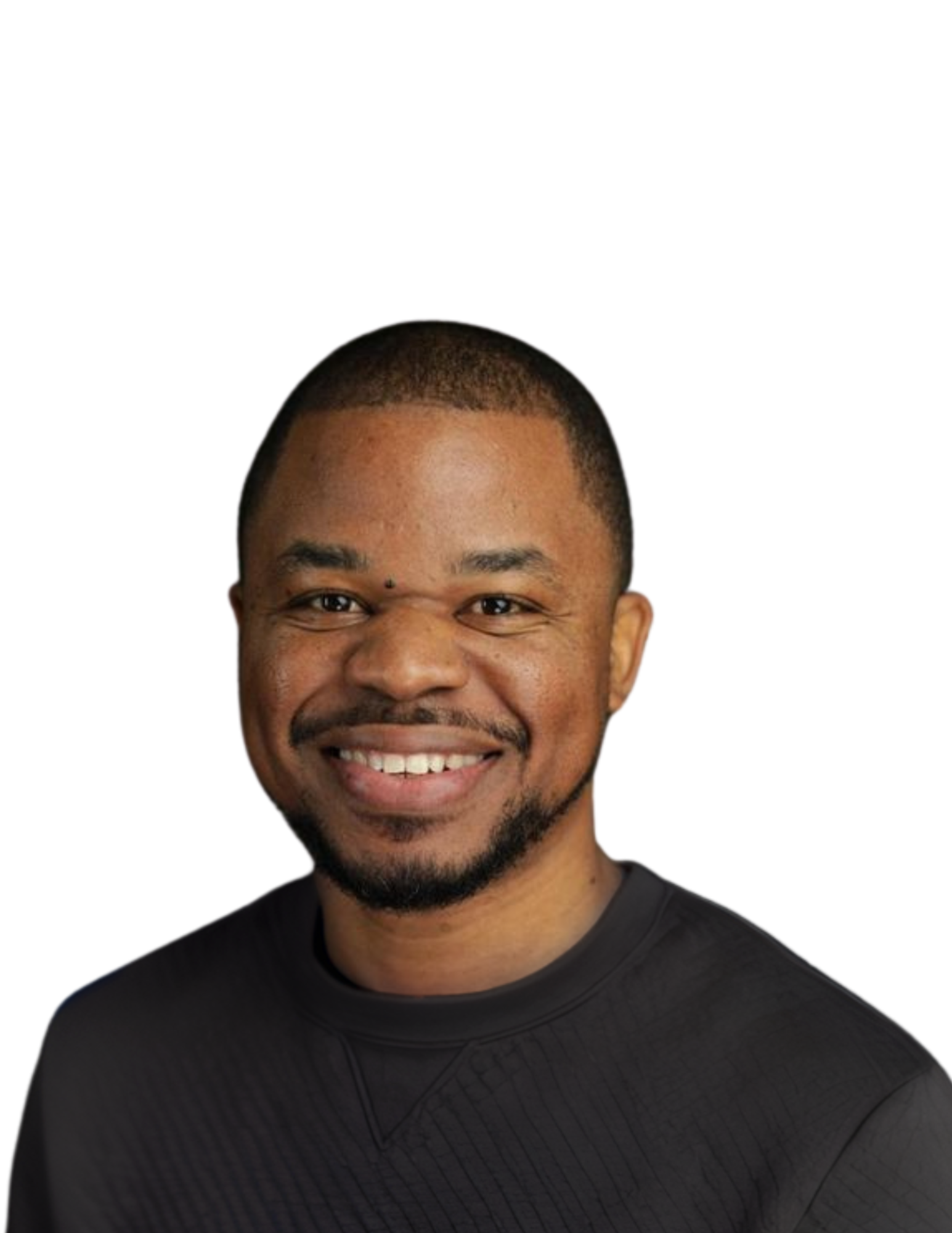
My Journey & Conviction
I engineer the systems that mobilize people.
I found my water, my air, and my soil. Everything I build grows from there.
I have spent twenty years building the structural systems that help leaders and neighborhoods move: out of civic municipal halls, into corporate boardrooms, and into churches I've planted and led. Twenty years of asking the same operational question in every environment: "What does this person actually need in order to move?"
The answer was never a slicker program, a cheaper pilot, or a bigger abstract vision. It was infrastructure—intentional, enterprise-grade systems that hold the structural weight of the calling so that high-capacity leaders do not have to carry it alone under the exhaustion of administrative time poverty.
This conviction did not start in a boardroom or on a global stage. It started at my kitchen table, with three young builders who needed a robust operational framework before any client, congregation, or institutional funder ever did.
Formation starts at home.
These platforms aren't just theoretical systems; they are the exact frameworks I use to raise my own children. They aren't just subjects of a youth curriculum; they are active builders. As Summer Associates, they receive formal corporate offer letters, complete work logs, learn pricing, and manage operations alongside me.
Imani
Artistic Creator · Social Connector
Used her artistic passion and design instincts to launch a micro-business helping other kids access books and creative supplies, mastering pricing models, brand storytelling, and structured generosity along the way.
Aniyah
Mindful Helper · Innovative Explorer
"I created Meet Meeps Adventure because I think they're cute, and I believe it will make people laugh." Designed and developed a brand built entirely on joy, strategic pacing, and holy imagination.
Nehemiah
Problem Solver
"I wanted a place where everyone could find a game they loved." Designed, coded, and built a multi-game community arcade hub to foster offline connection and neighborhood playtime.

What We Found In
The Land of Dreams
By Leslie B. James · Inspired by the young builders above.
Their stories did not stay inside our home. I turned that same imagination into a children's literature platform young explorers everywhere could read. Young entrepreneurs ages 4–9 learn how to make a profit and make a difference. Kids tag along as young characters outwit the Dream Keepers, unlock new abilities, and learn self-discovery, resilience, and micro-venture strategy. In dreams, we plant the seeds of our future.
The work behind the work.
The same systems engineering that shows up at my kitchen table has followed me through five very different domains. Two decades. One unbending throughline. Select your lens to see how this experience connects to what we are building.
Two decades. Five sectors. One throughline.
A complete chronological view combining pastoral ministry, platform architecture, academic research, and public sector advisory.
Education & Credentials
MS, Nonprofit Management & Leadership
Walden University
BBA, Finance
University of Texas at Tyler
MajorDomo (Analytics) · Community MBA (CMX) · Strategic Leadership (Regent) · Gamification for Learning · ADDIE Instructional Design
A doctoral degree remains a focused, long-term strategic pursuit. What is clear is the subject: the intersection of discipleship infrastructure, community transformation, and what the research actually says about how people and places change. In many ways, the regional platforms and frameworks already deployed are the dissertation. The credential will follow the conviction.
How I walk. What I write.
My daily operational rhythm is grounded in Proverbs 30—four figures that move with sovereign strength and design. This upcoming professional library translates these spiritual postures into practical, enterprise infrastructure for leaders.
The Lion · Courage
Downside First!
I do not lead from fear. The lion retreats before nothing. In an age addicted to fragile upside and free validations, this book is the blueprint for stepping into hard rooms, aligning board decisions, and making wiser financial choices by designing the downside first.
Request Advance CopyThe Mountain Goat · Stability
Planted
I stand firm in narrow places. The mountain goat maintains unshakeable stability on treacherous, high-altitude terrain. A comprehensive field manual for pastors and regional developers navigating the complex work of understanding community data and building resilient infrastructure in their local ZIP codes.
Keep Me PostedThe King · Expectancy
More Than a Message
I walk as one who is covered. The king walks with his sovereign authority. A deeply researched theological and cultural apologetic on why the pulpit remains a leader's most powerful lever for deploying a connected community and scaling discipleship in an age of AI and cultural fragmentation.
Keep Me Posted